
June 25
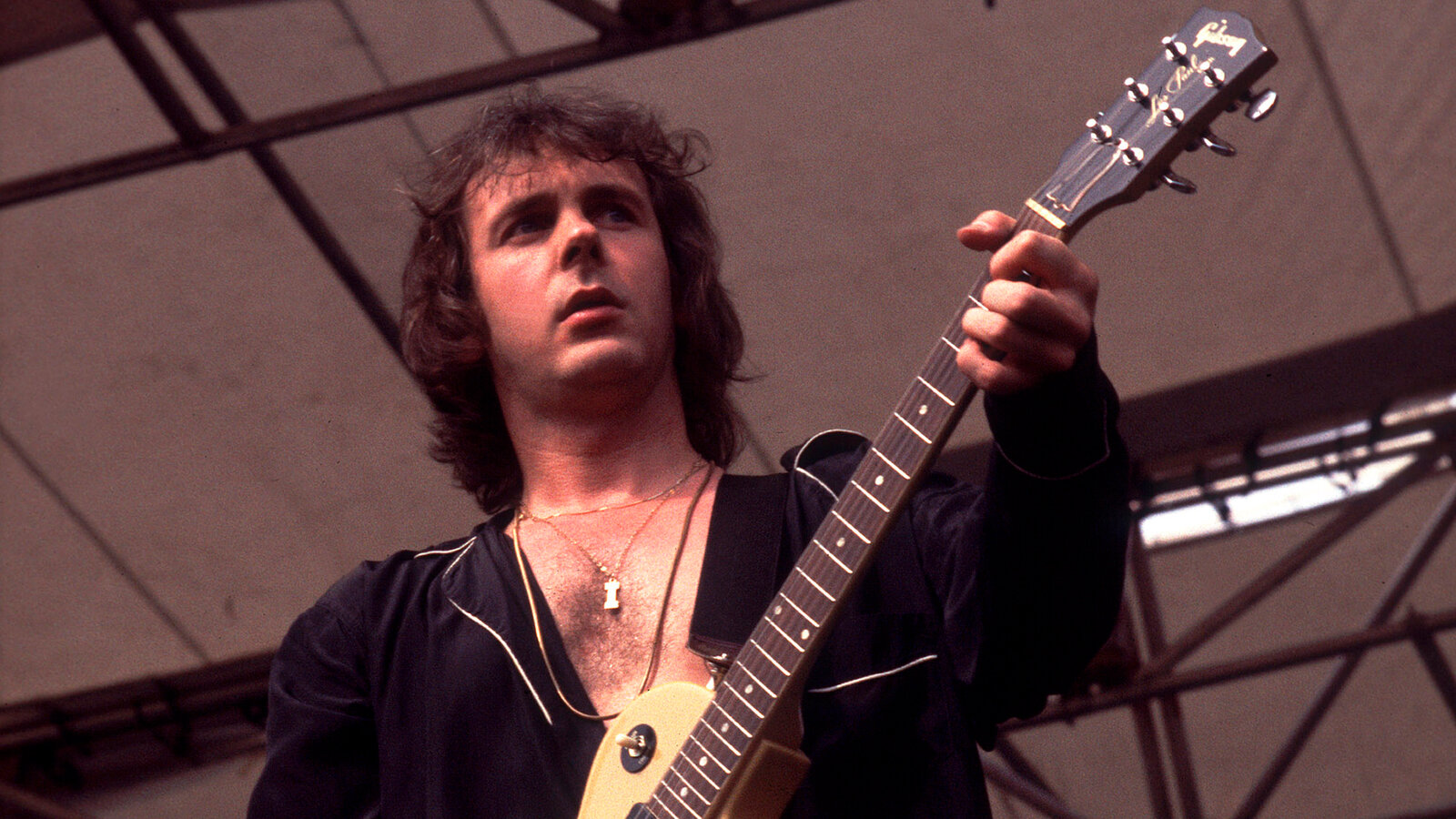
1946 - Ian McDonald from King Crimson is born
Born on June 25, 1946, Ian McDonald became one of progressive rock's key architects as a founding member of King Crimson. A multi-instrumentalist proficient on keyboards, woodwinds, vibraphone, and more, McDonald played a major role in shaping the groundbreaking debut album In the Court of the Crimson King. His contributions to tracks like "21st Century Schizoid Man", "Epitaph", and "The Court of the Crimson King" helped establish a blueprint for progressive rock that remains influential decades later. After leaving King Crimson, he later became a founding member of Foreigner, giving him the rare distinction of helping launch both a progressive rock landmark and one of the biggest arena rock bands of the 1970s.
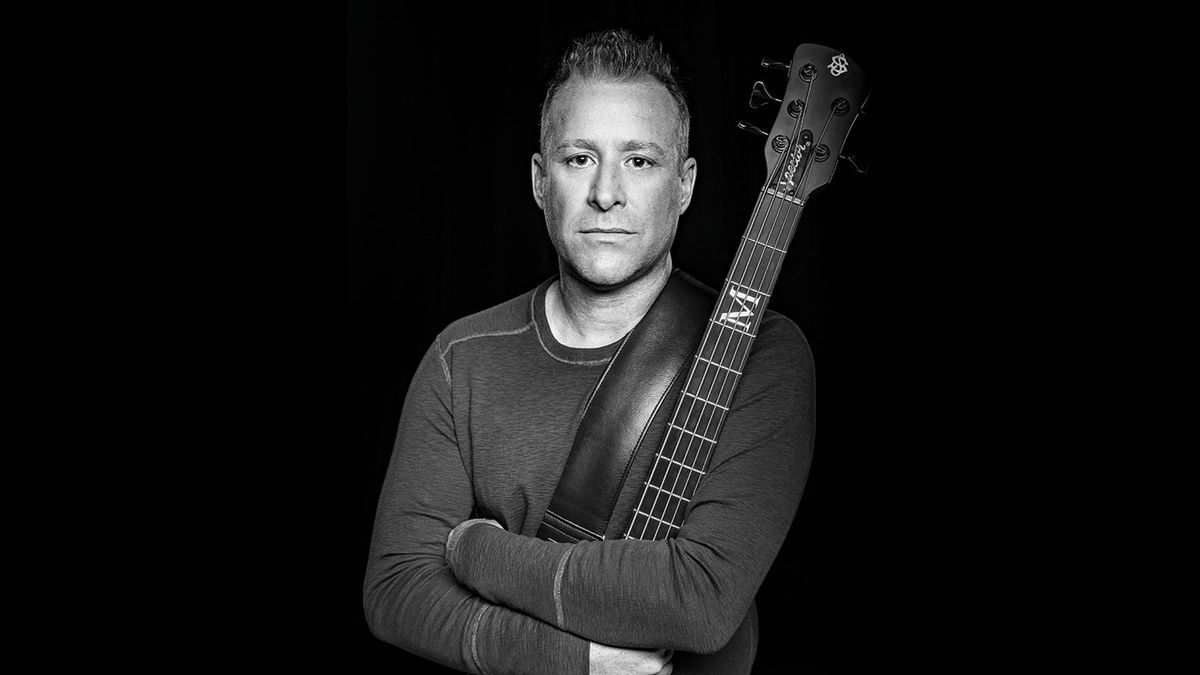
1972 - Mike Kroeger from Nickelback is born
Born on June 25, 1972, Mike Kroeger became the bassist and co-founder of Nickelback alongside his brother Chad Kroeger in 1995. Through albums like Silver Side Up, The Long Road, and All the Right Reasons, he helped drive hits such as "How You Remind Me", "Photograph", "Someday", and "Rockstar". While the band often became the subject of internet jokes and criticism, their commercial success speaks for itself, with tens of millions of albums sold worldwide. Through it all, Kroeger remained a steady presence in one of the most commercially successful rock bands of the 21st century.
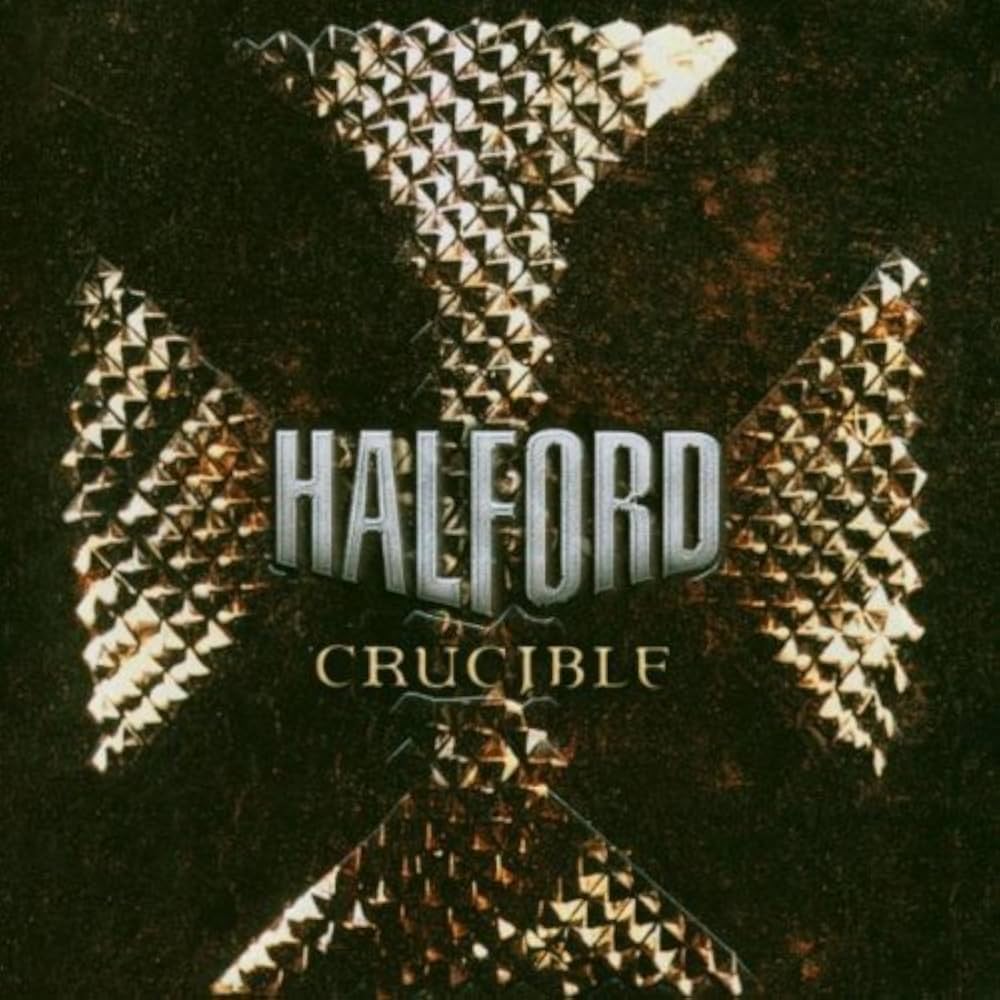
2002 - Halford releases Crucible
On June 25, 2002, Halford released Crucible, the second studio album from Rob Halford's solo band following his return to traditional heavy metal. Darker, heavier, and more aggressive than its predecessor, the album delivered tracks like "Betrayal", "One Will", and "Sun" while showcasing Halford's legendary vocal power. Arriving shortly before his reunion with Judas Priest, Crucible served as a reminder that the Metal God had lost none of his intensity during his years away from the band. The album balanced crushing riffs with strong melodies and helped close an important chapter in Halford's solo career before his return to the group that made him a metal icon. Produced by Roy Z and Rob Halford.